District Heating — Heating Network Water Purification
Protecting Heating Network Performance in Cold-Climate Regions
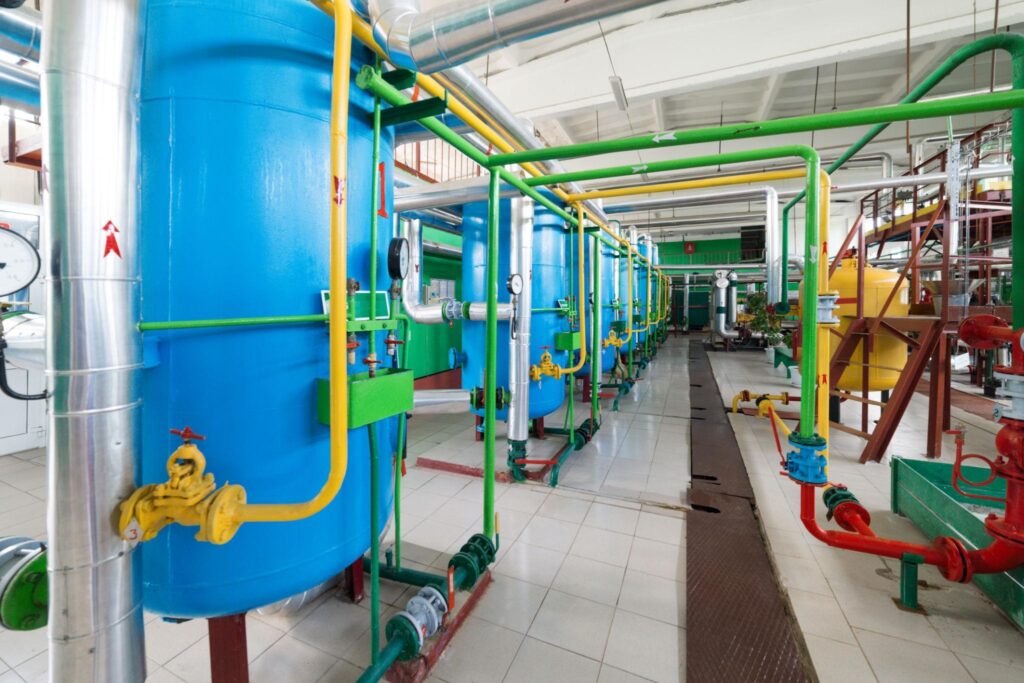
District heating systems in cold and high-latitude regions operate continuously under demanding conditions. Over time, corrosion inside pipelines, heat exchangers, pumps, and other equipment can generate iron oxides, rust particles, and suspended solids in the circulating water.
As these contaminants accumulate, they may contribute to fouling, pipeline restriction, and reduced heat-transfer efficiency.
Effective filtration helps maintain cleaner circulating water and supports stable heat-transfer performance throughout the heating season.
Why Filtration Is Needed
Controlling Rust, Iron Oxides, and Suspended Solids
Long-term circulation and corrosion can introduce various contaminants into district heating water, including:
Iron Oxides
Rust Particles
Magnetic Corrosion Products
Suspended Solids
If these contaminants remain in circulation, they can accumulate in pipelines, heat exchangers, valves, and other critical components.
This may increase deposit formation and flow resistance while reducing heat-transfer efficiency.
Filtration provides a continuous physical barrier for removing these contaminants from the circulating water.
The Role of Filtration
Continuous Removal of Iron Oxides and Particulate Contaminants
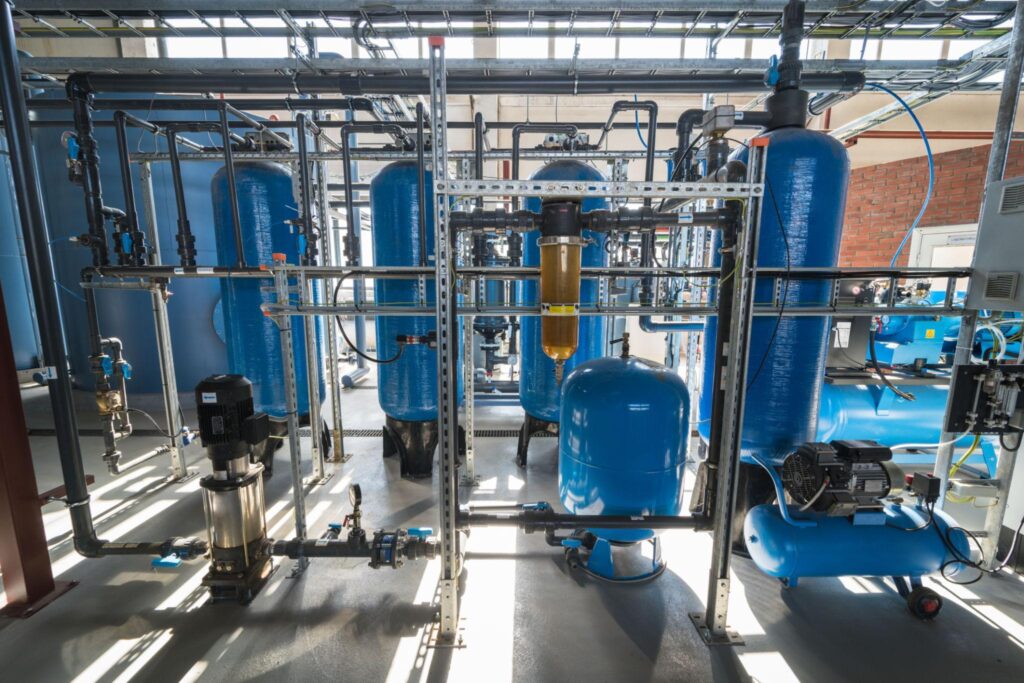
Santoflux filtration systems can combine high-gradient magnetic separation with fine particle filtration according to the characteristics of the heating-water system.
Magnetic Filtration
Captures magnetic iron oxides, ferrous corrosion products, and rust particles.
Fine Particle Filtration
Removes non-magnetic suspended solids and other particulate contaminants.
The system can be integrated into suitable circulation loops to continuously reduce the contaminant load within the heating network.
Cleaner Water → Lower Deposit Load → More Stable Heat Transfer
What Can Filtration Improve?
Cleaner Circulating Water. Lower Fouling Risk. More Stable Heat Transfer.
A properly designed filtration system can help:
Reduce iron oxide and rust accumulation
Lower the particulate load in circulating water
Reduce fouling and blockage risks in heat exchangers and pipelines
Support stable water circulation
Improve heat-transfer conditions
Reduce contamination-related maintenance requirements
Support reliable operation throughout the heating season
For cold-climate district heating systems, continuous filtration can become an important part of water quality and corrosion-product management.
Santoflux District Heating Filtration Solution
Reliable Water Purification for Cold-Climate Heating Networks
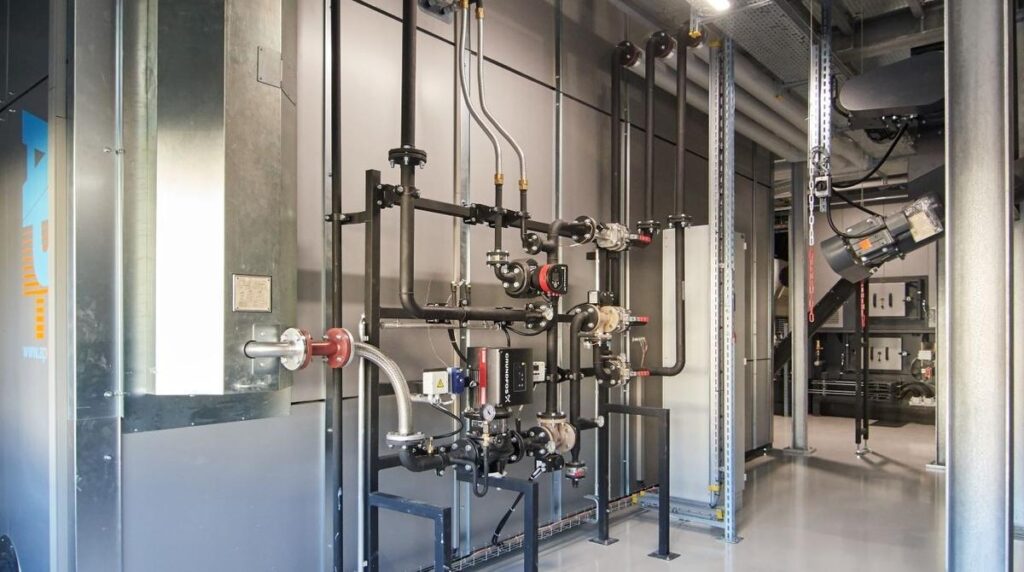
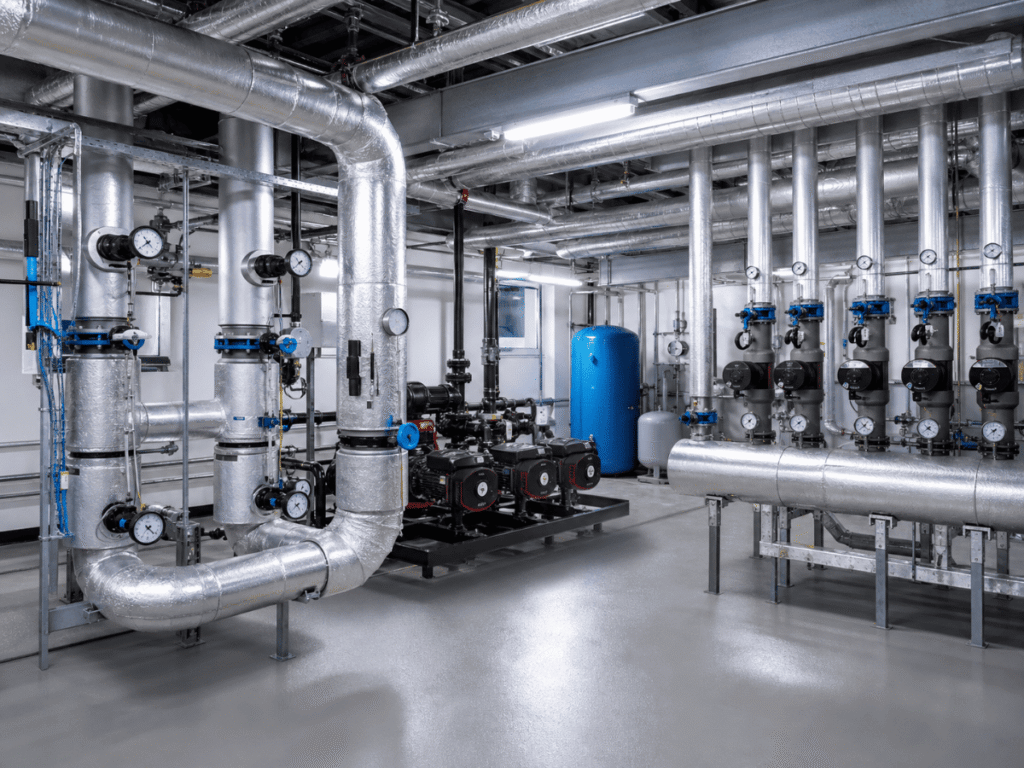
Santoflux provides customized filtration solutions for district heating and hot-water circulation systems in cold and high-latitude regions.
System design can be adapted according to:
Flow Rate · Water Temperature · Pressure · Pipe Diameter · Iron Concentration · Particle Characteristics · System Configuration
Depending on the application, the system can combine:
High-Gradient Magnetic Filtration + Fine Particle Filtration
to provide continuous control of iron oxides, rust, and suspended contaminants.
Key Benefits
Cleaner Circulating Water
Continuous removal of iron oxides and particulate contaminants.
Lower Fouling Risk
Helps reduce contaminant accumulation in pipelines and heat exchangers.
Stable Heat Transfer
Supports efficient and consistent heat-transfer performance.
Reliable Heating Operation
Helps maintain stable circulation and system performance during long heating seasons.